Most hardware wallets provide a level of anonymity due to their design, which does not store personally identifiable information[1]. However, they are primarily pseudonymous, meaning that while they enhance privacy, transaction data remains traceable[2]. For users prioritising privacy, wallets like the Trezor Model T, which supports CoinJoin transactions, may be more suitable[3]. Those engaging in larger transactions often prefer hardware wallets for their perceived security[4], but they must be cautious of potential risks, such as losing recovery phrases[5].
Criteria for Choosing Hardware Wallets
Privacy Features
Evaluate the wallet's privacy features, such as whether it supports anonymous cryptocurrencies or offers advanced privacy protocols. Check the official documentation or reviews to confirm these capabilities.
Security Standards
Look for wallets that adhere to industry security standards, including secure chip technology and regular firmware updates. Research the manufacturer's security practices and any past vulnerabilities.
User Control of Private Keys
Ensure that the wallet allows users to maintain control over their private keys, which is crucial for true ownership. Verify this by reviewing the wallet's specifications and user guides.
Compatibility with Privacy Tools
Assess whether the wallet is compatible with privacy-enhancing tools like CoinJoin or mixers, as this can enhance transaction anonymity. Check the wallet’s website or community forums for compatibility information.
Reputation and Reviews
Investigate the reputation of the wallet brand and read user reviews to gauge reliability and performance. Look for feedback on independent forums and review sites to get an unbiased perspective.
Ease of Use
Consider the wallet's user interface and overall ease of use, especially if you are new to hardware wallets. Test the wallet's demo or read user guides to evaluate its usability.
Comparison of Anonymity Features in Hardware Wallets and Other Wallet Types
| Anonymity Level | Transaction Privacy | Purchase Privacy | Address Management | Security Risks | Additional Features |
|---|---|---|---|---|---|
| Hardware Wallets | Pseudonymous; enhances privacy but not completely anonymous [2] | Generally anonymous; does not store personal data [1] | Using new addresses for each transaction recommended [6] | Risk of losing access if recovery phrase is forgotten [5] | Some support CoinJoin for enhanced privacy [3] |
| Software Wallets | Pseudonymous; less secure than hardware wallets | Public and traceable transactions [6] | Easier to manage multiple addresses | Vulnerable to malware and phishing attacks | Limited additional privacy features |
| Paper Wallets | Completely anonymous if generated offline | No transaction traceability if used correctly | Static address; less flexible | Physical loss or damage can lead to loss of funds | No additional features |
| Mobile Wallets | Pseudonymous; can be linked to personal data | Public transactions; less privacy than hardware wallets | Address management can be cumbersome | Vulnerable to mobile-specific threats | Limited privacy features compared to hardware wallets |
Understanding Hardware Wallets
Hardware wallets are physical devices designed to securely store cryptocurrency. They enhance security by keeping private keys offline, thereby protecting them from online threats. Unlike software wallets, hardware wallets do not store personally identifiable information, which contributes to a level of anonymity in transactions[1].
These wallets operate by generating and storing private keys in a secure environment. When a transaction is initiated, the wallet signs it without exposing the private key to the internet. This process significantly reduces the risk of hacking or theft. Popular models include the Ledger series and the Trezor devices. The Trezor Model T, for instance, has features such as CoinJoin support, which allows users to obscure transaction histories, further enhancing privacy[3].
While hardware wallets are generally considered more secure, they are not entirely foolproof. Users still face risks such as losing their recovery phrases, which can result in permanent loss of access to funds[5]. Additionally, while they provide pseudonymity, meaning that transactions can be traced back to wallet addresses, they do not guarantee complete anonymity[2].
For users engaging in larger transactions, hardware wallets are often preferred due to their strong security reputation[4]. Prices for these devices vary, typically ranging from $50 to $200, depending on the model and features. This makes them a viable option for individuals looking to enhance their cryptocurrency security while maintaining a degree of privacy.
Are Hardware Wallets Anonymous?
Hardware wallets are designed to securely store cryptocurrency, with a focus on protecting private keys from online threats. They do not retain personally identifiable information, which contributes to a certain level of anonymity in transactions[1]. However, it is important to note that hardware wallets primarily offer pseudonymity; while they enhance privacy, transaction data remains traceable on the blockchain[2].
In the context of cryptocurrency, anonymity means that user identities are not directly linked to their transactions. Nevertheless, Bitcoin, often perceived as an anonymous payment network, is one of the most transparent systems, with all transactions being publicly accessible and traceable[6]. This transparency means that while a hardware wallet may enhance user privacy, it does not render a user completely anonymous.
Transaction records are maintained on the blockchain, which is a public ledger. Each transaction is linked to a wallet address, and if this address is connected to a person's identity, their transaction history can be traced. To mitigate this risk, users are encouraged to generate new addresses for each transaction, helping to prevent address tainting[6]. Advanced features, such as those offered by the Trezor Model T with CoinJoin transactions, can further obscure transaction histories, enhancing privacy for users who prioritise it[3].
For those looking for a balance of security and privacy, hardware wallets present a viable option, especially for larger transactions, as they are perceived to be more secure than other wallet types[4]. However, users must be aware of the inherent limitations and risks, such as the potential loss of access due to forgotten recovery phrases[5].
Pros of Using Hardware Wallets for Anonymity
Hardware wallets offer several advantages for users prioritising anonymity in their cryptocurrency transactions. One significant benefit is their offline storage capability, which protects private keys from online threats. By keeping these keys offline, hardware wallets significantly reduce the risk of hacks and unauthorised access, thereby enhancing user security.
The design of hardware wallets contributes to a level of anonymity since they do not store personally identifiable information. This means that transactions made through these wallets do not directly link a user’s identity to their cryptocurrency activities[1]. However, it is important to recognise that hardware wallets are primarily pseudonymous; while they enhance privacy, transaction data remains traceable on the blockchain[2].
When used in conjunction with privacy tools, hardware wallets can further bolster anonymity. For instance, wallets like the Trezor Model T support CoinJoin transactions, which help obscure transaction histories by mixing coins from multiple users[3]. This feature is particularly useful for individuals seeking to enhance their privacy when making transactions.
Another advantage is the anonymity afforded by the purchasing process of hardware wallets. Users can acquire these devices using non-KYC (Know Your Customer) cryptocurrencies, which helps maintain their privacy[7]. This aspect is appealing for those who value discretion in their cryptocurrency dealings.
For users engaging in larger transactions, hardware wallets are often preferred due to their perceived strong security[4]. The price range for these wallets typically falls between $50 to $200, making them accessible for individuals looking to enhance both their security and privacy in the cryptocurrency space.
Cons of Hardware Wallets Regarding Anonymity
While hardware wallets provide a level of anonymity, they have notable limitations that users should consider. One significant drawback is the traceability of wallet addresses. Although hardware wallets do not store personally identifiable information, transactions made with them are linked to specific wallet addresses. This means that if a wallet address is connected to a user's identity, their entire transaction history can be traced on the blockchain, undermining anonymity[6].
Furthermore, hardware wallets are predominantly pseudonymous. While they enhance user privacy, the transaction data remains visible and traceable, which can compromise anonymity[2]. This is particularly relevant for cryptocurrencies like Bitcoin, which, despite being perceived as anonymous, operates on a highly transparent network where all transactions are recorded publicly[6]. Users must be vigilant and adopt best practices, such as generating a new address for each transaction, to mitigate address tainting and maintain a semblance of privacy[6].
Another risk arises during the purchase of hardware wallets. If users buy these devices through channels that require identity verification, their personal information could be linked to their wallet, creating potential vulnerabilities[7]. Additionally, if a user loses their hardware wallet and forgets their recovery phrase, they will lose access to their funds permanently, which poses a significant risk[5].
In summary, while hardware wallets enhance security and provide some level of anonymity, they are not entirely foolproof. Users must understand these limitations and take proactive steps to safeguard their privacy when using these devices.
Enhancing Anonymity with Additional Tools
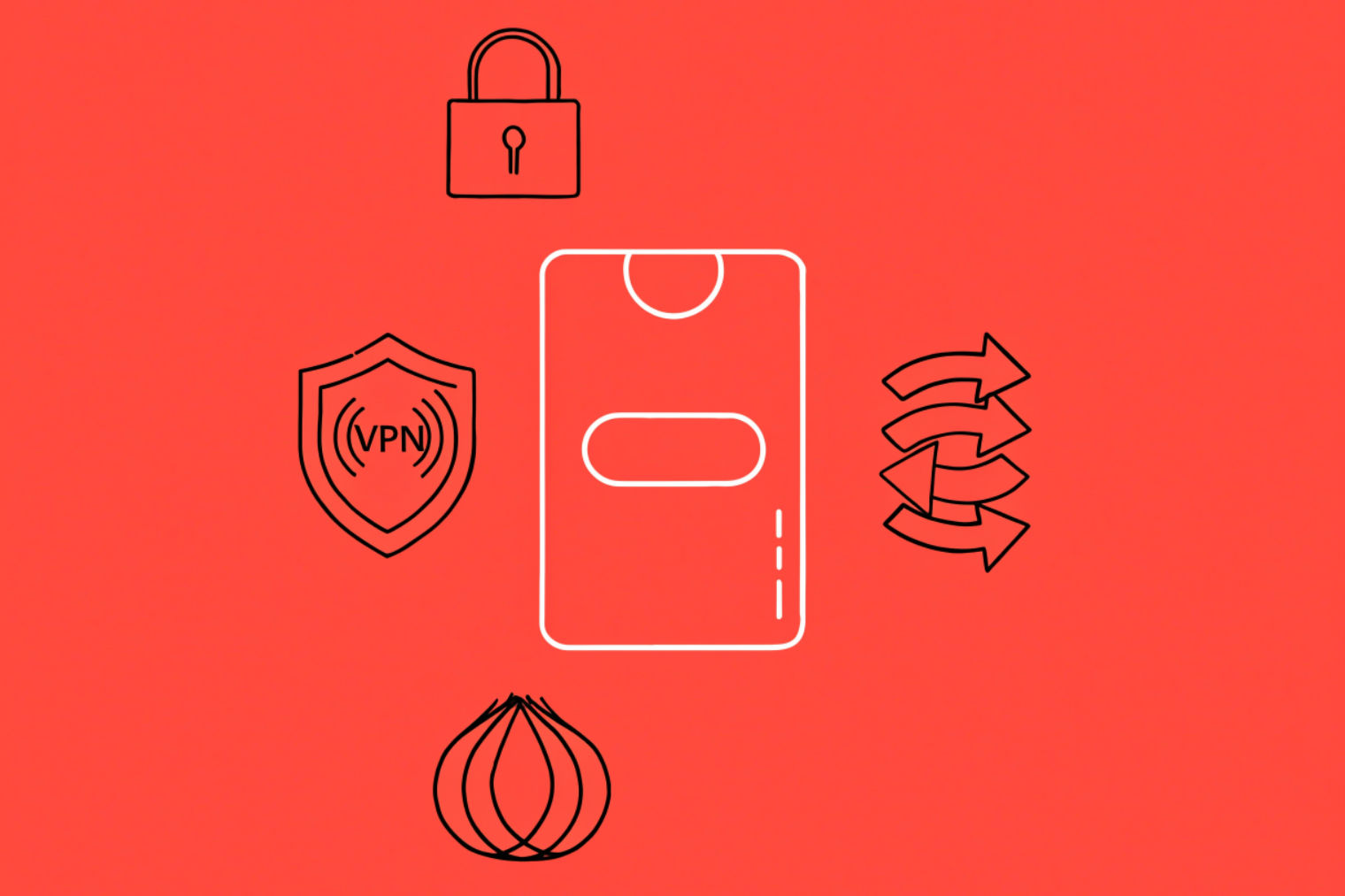
To improve the anonymity of hardware wallets, users can incorporate various tools such as VPNs, Tor, and mixing services. These tools can significantly enhance the privacy of transactions conducted through hardware wallets.
VPNs (Virtual Private Networks) encrypt internet traffic and mask IP addresses, making it difficult for external parties to trace online activities. By using a VPN, users can add an additional layer of anonymity when accessing cryptocurrency exchanges or wallets, as it obscures their network location[1]. This is particularly useful in regions where cryptocurrency transactions may be monitored or restricted.
Tor (The Onion Router) is another powerful tool for enhancing anonymity. It works by routing internet traffic through multiple servers, effectively hiding the user's location and usage patterns. Using Tor can further anonymise transactions made with hardware wallets by concealing the user's IP address from potential surveillance[1]. However, it may lead to slower connection speeds, which could affect transaction times.
Mixing services, or coin mixers, are designed to obfuscate transaction histories by pooling funds from multiple users and redistributing them. This process makes it challenging to trace the origin of specific coins. Hardware wallets like the Trezor Model T support CoinJoin transactions, a form of mixing that enhances Bitcoin privacy by obscuring transaction histories[3]. While mixing services can provide improved anonymity, users should be aware that they may introduce additional risks, such as potential involvement in illicit activities if not used responsibly.
For those prioritising anonymity, the combination of hardware wallets with these tools can create a more secure and private cryptocurrency experience. However, users should remain vigilant about the limitations and risks associated with each method. The effectiveness of these tools can depend on the user's specific circumstances, including their technical proficiency and the regulatory environment in their location.
Comparing Hardware Wallets to Other Wallet Types
Hardware wallets provide a unique approach to cryptocurrency storage, particularly regarding anonymity and security, when compared to software wallets, paper wallets, and mobile wallets.
Hardware wallets, such as those from Trezor or Ledger, are designed to securely store private keys offline, which significantly reduces the risk of hacking. They do not retain personally identifiable information, contributing to a level of anonymity in transactions[1]. However, it is important to note that these wallets are primarily pseudonymous; while they enhance privacy, transaction data remains traceable on the blockchain[2]. This makes hardware wallets suitable for users who prioritise security for larger transactions, as they are perceived to be more secure than other wallet types[4].
In contrast, software wallets, while more user-friendly and accessible, often store private keys online, making them more susceptible to cyber threats. They may provide less anonymity since they can be linked to a user’s identity through account registration processes. Paper wallets offer a completely offline solution but require careful handling to avoid loss or damage. They provide a high level of anonymity but lack the convenience of hardware and software wallets.
Mobile wallets, although convenient for everyday transactions, are also vulnerable to malware and hacking. They typically require continuous internet access, which can compromise security. While some mobile wallets offer features to enhance privacy, they do not match the security level of hardware wallets.
Prices for hardware wallets generally range from $50 to $200, making them an affordable option for individuals seeking enhanced security and privacy in their cryptocurrency dealings. This pricing structure positions hardware wallets as a viable choice for users who wish to maintain a degree of anonymity while engaging in cryptocurrency transactions.
Best Practices for Maintaining Anonymity with Hardware Wallets
To enhance anonymity while using hardware wallets, users can adopt several practical measures.
First, purchase hardware wallets using non-KYC (Know Your Customer) cryptocurrencies. This method allows users to acquire devices without linking their identity to the purchase, thereby enhancing privacy during the initial setup[7].
When setting up a wallet, generate a new Bitcoin address for each transaction. This practice prevents address tainting, which occurs when a wallet address is associated with identifiable transactions, allowing for easier tracking on the blockchain[6].
Utilising advanced features like CoinJoin, available on wallets such as the Trezor Model T, can further increase privacy. CoinJoin transactions mix coins from multiple users, obscuring the transaction histories and making it more difficult to trace individual transactions[3][8].
It is also advisable to use privacy tools alongside hardware wallets. VPNs can encrypt internet traffic, masking IP addresses and adding an extra layer of anonymity during transactions[1]. Tor can further obscure users' locations and patterns by routing internet traffic through multiple servers, although it may result in slower connection speeds[1].
Lastly, maintain strict personal security practices. Users should securely store their recovery phrases to prevent loss of access to their funds, as forgetting the recovery phrase can lead to permanent loss of cryptocurrency[5].
Following these steps can significantly enhance the anonymity of hardware wallet users, making it a more private and secure experience.
Common Misconceptions About Hardware Wallets and Anonymity
Many users believe that hardware wallets guarantee complete anonymity, but this is not entirely accurate. While hardware wallets are designed to store cryptocurrency securely and do not store personally identifiable information, they are primarily pseudonymous. This means that while transactions may not directly link to a user’s identity, the transaction data is still traceable on the blockchain[1][2].
A common myth is that Bitcoin transactions are anonymous. In reality, Bitcoin operates on a transparent network where all transactions are public and can be traced back to specific wallet addresses[6]. Users must be aware that if their wallet address becomes associated with their identity, their entire transaction history can be exposed.
Another misconception is that purchasing hardware wallets provides complete anonymity. While users can buy these devices using non-KYC cryptocurrencies to protect their identity[7], if they acquire wallets through channels requiring identity verification, their personal information could be linked to their wallet, compromising privacy.
Moreover, while hardware wallets are favoured for larger transactions due to their perceived security[4], they are not immune to risks. Users can lose their recovery phrases or inadvertently approve malicious transactions, leading to potential loss of funds[9].
In summary, while hardware wallets enhance security and provide some level of anonymity, they are not foolproof. Users need to understand the limitations and take additional steps to maintain their privacy in the cryptocurrency space.
Pros and Cons of Hardware Wallets for Anonymity
Upsides
- Hardware wallets do not store personally identifiable information, enhancing user privacy.
- They provide a secure offline storage solution for private keys, reducing the risk of hacking.
- Users can adopt best practices, such as generating new addresses for each transaction, to maintain privacy.
- Incorporating additional tools like VPNs and Tor can further enhance anonymity during transactions.
Downsides
- Transactions made with hardware wallets are linked to specific wallet addresses, which can be traced on the blockchain.
- Hardware wallets are primarily pseudonymous, meaning transaction data remains visible and traceable.
- Purchasing hardware wallets through identity verification channels can compromise user privacy.
- If a user loses their hardware wallet and forgets their recovery phrase, they will permanently lose access to their funds.
Who Should Choose What
If you prioritise complete anonymity — choose non-KYC purchasing options for hardware wallets, because this prevents your identity from being linked to your wallet. Purchasing through channels requiring identity verification can expose your personal information, undermining your privacy during the initial setup[7].
If you frequently transact with significant amounts of cryptocurrency — opt for hardware wallets like Trezor or Ledger, as they provide enhanced security by storing private keys offline. This reduces the risk of hacking and is particularly suitable for larger transactions, where security is paramount[4].
If you are technically proficient and value privacy — consider using additional tools like Tor and VPNs alongside your hardware wallet. These tools can further anonymise your transactions by masking your IP address and encrypting your internet traffic, adding layers of protection against surveillance[1].
If you are concerned about losing access to your funds — ensure you maintain strict personal security practices. Securely store your recovery phrase to avoid permanent loss of access, as forgetting it can lead to irretrievable loss of cryptocurrency[5].
If you are new to cryptocurrency and seeking ease of use — hardware wallets may be a good choice, but be aware that they are not entirely anonymous. While they enhance privacy, transactions are still traceable on the blockchain, so consider familiarising yourself with best practices to maintain your anonymity[2].
Conclusion: What to Choose
For users prioritising security and a degree of anonymity, hardware wallets are a strong option. They are best for those who frequently transact with significant amounts of cryptocurrency, as they securely store private keys offline, reducing hacking risks. However, if complete anonymity is your goal, consider non-KYC purchasing options to avoid linking your identity to your wallet.
Avoid purchasing hardware wallets through identity verification channels, as this can compromise your privacy. For enhanced anonymity, utilise additional tools like Tor and VPNs alongside your hardware wallet. Those new to cryptocurrency should understand that while hardware wallets enhance privacy, transactions remain traceable on the blockchain. Familiarising yourself with best practices is essential for maintaining anonymity[2].
Questions & answers
Which Bitcoin wallet is untraceable?
No Bitcoin wallet is completely untraceable due to the transparent nature of the Bitcoin blockchain. However, wallets that support privacy features, such as CoinJoin, can enhance anonymity by obscuring transaction histories. For instance, the Trezor Model T allows users to perform CoinJoin transactions, which can help in making Bitcoin transactions less traceable[3][8].
What are the disadvantages of a hardware wallet?
Hardware wallets, while secure, have several disadvantages. They are primarily pseudonymous, meaning that while they do not store personally identifiable information, transactions remain traceable on the blockchain[2]. Additionally, if a user loses their hardware wallet and forgets their recovery phrase, they will permanently lose access to their funds[5].
Can the police trace a Bitcoin wallet address?
Yes, police can trace Bitcoin wallet addresses due to the transparent nature of the Bitcoin blockchain, where all transactions are public and can be linked back to specific addresses[6]. If a wallet address is associated with a user’s identity, their entire transaction history can be exposed.
What is the most anonymous cryptocurrency?
Monero is often regarded as the most anonymous cryptocurrency due to its advanced privacy features, such as stealth addresses and ring signatures, which obscure transaction details[1]. Unlike Bitcoin, where transactions are traceable, Monero transactions are designed to be untraceable by default.
Are hardware wallets anonymous for Bitcoin?
Hardware wallets enhance privacy but are not entirely anonymous for Bitcoin. They do not store personally identifiable information, which contributes to a level of anonymity; however, the transactions are still traceable on the blockchain[1][2]. Users must take additional measures to enhance their anonymity.
Can you have an anonymous Bitcoin wallet?
Yes, you can have an anonymous Bitcoin wallet, but it requires careful setup. Using non-KYC cryptocurrencies to purchase a hardware wallet can enhance anonymity, as it prevents linking your identity to the wallet[7]. Additionally, employing privacy practices, such as generating new addresses for each transaction, can help maintain anonymity.
Are hardware wallets anonymous Reddit?
Discussions on Reddit often highlight that hardware wallets are not fully anonymous. Users commonly note that while hardware wallets enhance privacy by not storing personal information, the transactions are still linked to specific wallet addresses that can be traced on the blockchain[2].
Sources and further reading
- What Is The Safest Way To Store Bitcoin Securely - Security.org
- Best Anonymous Crypto Wallets in 2026
- Trezor Model T Gets Bitcoin Privacy Upgrade With New CoinJoin Feature
- How Cryptocurrency Users Choose and Secure Their Wallets
- Crypto Hardware Wallets Explained
- Protect your privacy - Bitcoin
- What Is a Hardware Wallet?
- Trezor wallet enables Bitcoin privacy feature with CoinJoin
- Hardware vs. software crypto wallets: Which is right for me?