Crypto wallets are not inherently anonymous. While cryptocurrency addresses do not carry personal names, all transactions are publicly accessible and can be linked to identities, especially if funded from KYC exchanges or if addresses are reused. For better privacy, consider using privacy coins like Monero, Zcash, or Dash, and self-custody wallets that do not require KYC.
Comparative Overview of Popular Anonymous Wallets
| Wallet Name | Privacy Features | KYC Requirement | Transaction Anonymity | Limitations |
|---|---|---|---|---|
| Monero (XMR) | Default anonymity, stealth addresses | No | High | Requires running own node for best privacy |
| Zcash (ZEC) | Selective transparency, shielded transactions | Depends on usage | Moderate | Not all transactions are shielded |
| Dash (DASH) | PrivateSend feature for mixing | No | Moderate | Mixing can be traceable |
| MetaMask | No inherent privacy features | Yes | Low | Public transactions on Ethereum network |
| CoinJoin Wallets | Combines transactions for anonymity | No | High | Requires multiple users for effectiveness |
| Self-Custody Wallets | View key stays on device | No | High | User must manage security |
Understanding Crypto Wallets
Crypto wallets are digital tools that allow users to store, send, and receive cryptocurrencies. They do not store the actual coins but instead hold the private keys required to access the blockchain where the coins are recorded. The primary function of a crypto wallet is to facilitate transactions without the need for a central authority, enabling users to maintain control over their funds.
Types of Wallets
There are two main types of crypto wallets: hot wallets and cold wallets.
Hot Wallets: These wallets are connected to the internet and are typically used for everyday transactions. Examples include mobile wallets like MetaMask, which has over 22.66 million app installations as of 2023[1]. While they offer convenience, hot wallets are more vulnerable to hacking and phishing attacks due to their online nature.
Cold Wallets: Cold wallets are offline storage solutions, such as hardware wallets or paper wallets. They are used for long-term storage and are considered more secure against online threats. For optimal privacy, using a self-custody cold wallet where the view key stays on the device is recommended[2].
Anonymity and Pseudonymity
While crypto wallets provide a degree of pseudonymity—where addresses do not directly reveal personal identities—this anonymity can erode under certain conditions. For instance, if a wallet is funded from a KYC (Know Your Customer) exchange, or if addresses are reused, the chances of linking transactions to an individual increase significantly[3]. This is particularly relevant for popular cryptocurrencies like Bitcoin and Ethereum, where transactions are recorded on public ledgers, making them traceable[4][5].
To enhance privacy, users may consider employing mixing services or privacy coins such as Monero (XMR), which is designed to provide default anonymity through technologies like stealth addresses and ring signatures[6]. Understanding the nuances of wallet types and their implications for privacy is essential for anyone looking to navigate the cryptocurrency landscape securely.
The Myth of Anonymity in Crypto Transactions
Anonymity in cryptocurrency transactions is often misunderstood. While many believe that crypto wallets provide complete anonymity, the reality is more nuanced. Most cryptocurrencies, including Bitcoin, operate under a system of pseudonymity rather than true anonymity. This means that while users do not have to disclose their real names when transacting, all transactions are publicly accessible and can potentially be linked to individuals.
Bitcoin serves as a primary example. All Bitcoin transactions are stored on a public ledger known as the blockchain, making them traceable[4]. Each Bitcoin address can be observed by anyone, and if the address is linked to a known identity—such as through a transaction from a KYC-compliant exchange—anonymity is effectively lost[3]. The pseudonymous nature of Bitcoin transactions can erode quickly, especially if users frequently reuse addresses.
In contrast, Ethereum follows a similar account-based model where every transaction is also recorded on a public ledger, presenting its own unique privacy challenges[5]. This means that users of both Bitcoin and Ethereum must be cautious about how they manage their wallet addresses and funding sources to maintain a level of privacy.
To illustrate further, consider the use of non-custodial wallets versus custodial wallets. Non-custodial wallets allow users to maintain control over their private keys, reducing reliance on third parties and potentially enhancing privacy. Conversely, custodial wallets often require KYC information, which can compromise user anonymity[7].
For those seeking to enhance their privacy, options such as mixing services, which combine transactions from multiple users to obscure individual histories, are available[8]. Additionally, using privacy-focused cryptocurrencies like Monero (XMR) offers a higher level of anonymity by default, employing advanced technologies such as stealth addresses and ring signatures[6]. Understanding these differences is crucial for anyone aiming to navigate the complexities of privacy in cryptocurrency transactions.
Types of Crypto Wallets and Their Privacy Levels
Different types of crypto wallets offer varying levels of privacy, significantly influencing user anonymity. Understanding these differences is essential for individuals seeking to protect their financial information.
Custodial vs. Non-Custodial Wallets
Custodial Wallets: These wallets are managed by third-party services, such as exchanges. Users must trust these providers with their private keys and personal information, often requiring KYC verification. This can severely limit anonymity, as transactions can be traced back to the user through the exchange[7]. For example, if a user funds their custodial wallet from a KYC exchange, their transaction history becomes linked to their identity[3].
Non-Custodial Wallets: In contrast, non-custodial wallets allow users to control their private keys. This enhances privacy since users do not need to share personal information with third parties. However, users must take responsibility for their security, including safeguarding their private keys. This type of wallet is recommended for maintaining optimal privacy in cryptocurrency transactions[2].
Software vs. Hardware Wallets
Software Wallets: These wallets, which may be hot wallets (connected to the internet) or desktop wallets, offer convenience but come with risks. Notably, popular software wallets like MetaMask provide no inherent privacy features, making transactions publicly visible on the blockchain[1].
Hardware Wallets: Hardware wallets store private keys offline, providing enhanced security against online threats. They are ideal for long-term storage of cryptocurrencies. However, hardware wallets may still expose certain metadata if not used correctly, such as through insecure connections to the internet[9].
Mixing Services and Privacy Coins
To further enhance anonymity, users can utilise mixing services that combine multiple transactions, obscuring the trail of funds[8]. Additionally, privacy coins like Monero (XMR) offer built-in anonymity features, employing technologies such as stealth addresses and ring signatures. Monero users are anonymous by default, which sets it apart from other cryptocurrencies where users must actively manage their privacy[6].
Understanding these wallet types and their implications is crucial for anyone navigating the cryptocurrency landscape, as the choice of wallet can significantly impact the level of privacy and anonymity achieved.
How Do Crypto Wallets Work? A Technical Overview
Crypto wallets function as interfaces that allow users to interact with blockchain networks. They do not hold cryptocurrencies directly but instead manage the private keys needed to access and transact on the blockchain. The underlying technology that enables these transactions is blockchain, a decentralised digital ledger that records all transactions across a network of computers.
Blockchain Technology
Blockchain operates on a peer-to-peer network where each participant maintains a copy of the entire ledger. Transactions are grouped into blocks, which are then cryptographically secured and linked to form a chain. This structure ensures that once a transaction is recorded, it cannot be altered or deleted, providing transparency and security. For example, Bitcoin transactions are public, traceable, and permanently stored in the network, making anonymity challenging[4].
Transaction Processes
When a user initiates a transaction, they sign it with their private key, which proves ownership of the funds. This signed transaction is then broadcast to the network, where miners or validators verify its authenticity. Once verified, the transaction is added to the blockchain. In Ethereum's case, which uses an account-based model, every transaction is similarly recorded on a public ledger, presenting unique privacy challenges[5].
How Wallets Interact with the Blockchain
Wallets can be classified into custodial and non-custodial types. Custodial wallets, often provided by exchanges, require users to trust third parties with their private keys, which can lead to compromised anonymity, especially if the wallet is funded from a KYC-compliant exchange[3][7]. Non-custodial wallets, on the other hand, give users full control over their private keys, enhancing privacy but necessitating a greater responsibility for security[2].
Moreover, the use of mixing services can enhance anonymity by combining transactions from multiple users, obscuring individual transaction histories[8]. For those seeking robust privacy, privacy coins like Monero (XMR) employ advanced technologies such as stealth addresses and ring signatures, ensuring that all users remain anonymous by default[6].
Understanding these technical aspects is essential for anyone looking to navigate the complexities of cryptocurrency transactions and maintain a high level of privacy.
Best Practices for Maintaining Anonymity
Enhancing anonymity in cryptocurrency transactions requires a multi-faceted approach. Here are effective strategies to consider:
Use of VPNs and Tor
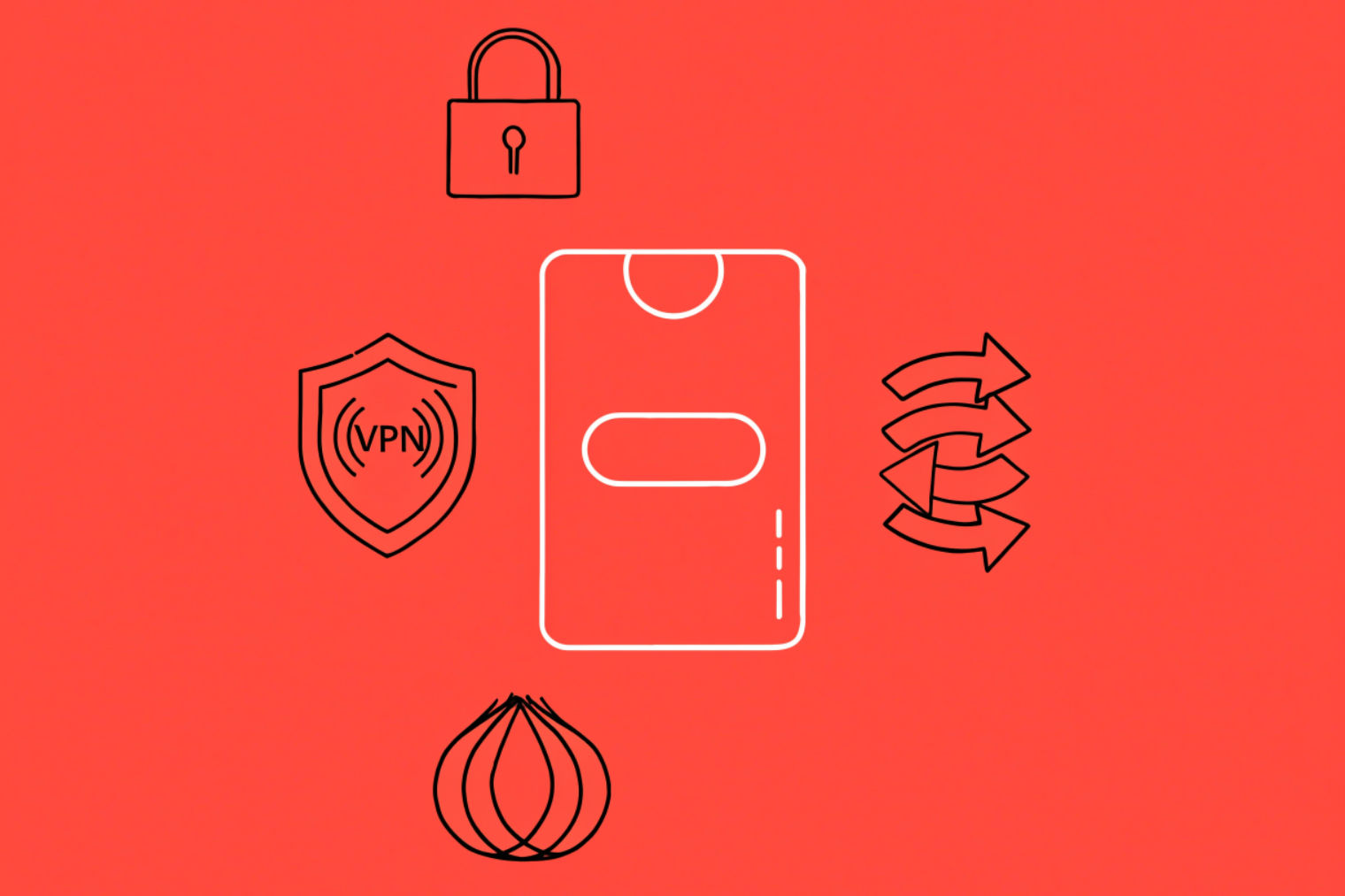
Employing a Virtual Private Network (VPN) or the Tor network can significantly enhance privacy. A VPN encrypts your internet connection, concealing your IP address from potential trackers. This is vital, as IP addresses can be linked to transactions, compromising anonymity. Tor, on the other hand, routes your internet traffic through multiple servers, further obscuring your identity. However, it's important to note that while these tools can help maintain anonymity, they do not eliminate all risks associated with tracking and surveillance.
Mixing Services
Mixing services, such as CoinJoin, allow users to combine their transactions with those of others, effectively obscuring the trail of funds. By merging multiple transactions, individual histories become difficult to trace. This method is particularly effective for Bitcoin users, where transaction histories are publicly accessible[8]. Users should ensure they choose reputable mixing services to avoid potential scams or loss of funds.
Utilise Privacy Coins
For those prioritising anonymity, privacy coins like Monero (XMR) are designed with built-in privacy features, such as stealth addresses and ring signatures, which ensure that transactions are untraceable by default[6]. Unlike Bitcoin and Ethereum, where transactions can be linked back to users, Monero provides a higher level of anonymity, making it a preferred choice for privacy-conscious individuals[10].
Avoid KYC Exchanges
Using exchanges that do not require Know Your Customer (KYC) verification can help maintain anonymity. Funding wallets from KYC-compliant exchanges significantly increases the risk of linking transactions to your identity, as personal information is collected during the account creation process[3]. Opting for decentralized exchanges or peer-to-peer transactions can mitigate this risk.
Self-Custody Wallets
Utilising self-custody wallets allows users to maintain control over their private keys, enhancing privacy. This is particularly important for individuals who wish to avoid third-party oversight. Wallets that keep the view key on the device further protect user data from exposure to external entities[2].
Be Cautious with Metadata
Finally, be mindful of metadata associated with transactions. Certain wallets and services can expose user information, including IP addresses and transaction histories, which could compromise anonymity[11][9]. Always research the privacy features of wallets before use and consider running your own node for cryptocurrencies like Monero to minimise exposure.
Implementing these strategies can significantly enhance your anonymity in cryptocurrency transactions, allowing for a more private and secure experience.
Comparing Anonymous Wallets: What to Look For
When evaluating anonymous wallets, several key features should be considered to ensure optimal privacy and anonymity. Here are the main aspects to look for:
KYC Policies
Wallets that do not require Know Your Customer (KYC) verification are crucial for maintaining anonymity. KYC processes often involve collecting personal information, which can be used to link transactions back to an individual's identity. For instance, funding a wallet from a KYC-compliant exchange increases the risk of losing anonymity, as transactions become traceable to the user[3]. Opting for wallets that allow transactions without KYC requirements is essential for those prioritising privacy.
Metadata Protection
The ability to protect metadata is another critical feature. Metadata, such as IP addresses and transaction histories, can compromise anonymity if exposed. A study found that 1,325 out of 100,000 websites track users via wallet objects, highlighting the risk of metadata exposure[11]. Users should look for wallets that minimise metadata collection and offer features like running a personal node to enhance privacy[2].
User Control
An anonymous wallet should provide users with full control over their private keys. Non-custodial wallets are preferable as they allow users to manage their keys without relying on third-party services, which often come with risks of data exposure. By maintaining control, users can better protect their anonymity during transactions[2].
Mixing Services
Wallets that incorporate mixing services, such as CoinJoin, can significantly enhance transaction anonymity. Mixing services combine multiple users' transactions, obscuring the individual transaction histories and making it difficult to trace funds back to a specific user[8]. This feature is particularly beneficial for users of cryptocurrencies like Bitcoin, where transactions are publicly accessible[4].
Privacy Coins
Consider wallets that support privacy-focused cryptocurrencies, such as Monero (XMR). Monero employs advanced privacy technologies, including stealth addresses and ring signatures, ensuring that all users remain anonymous by default[6]. This built-in privacy makes Monero a preferred option for those seeking maximum anonymity in their transactions.
By focusing on these features—KYC policies, metadata protection, user control, mixing services, and support for privacy coins—individuals can select anonymous wallets that align with their privacy needs and enhance their overall security in cryptocurrency transactions.
Common Misconceptions About Crypto Anonymity
Many users believe that cryptocurrencies provide complete anonymity, but this is often not the case. Understanding the nuances of anonymity and pseudonymity in cryptocurrency is crucial for maintaining privacy.
Pseudonymity vs. Anonymity
Cryptocurrencies like Bitcoin and Ethereum operate on pseudonymous principles. This means that while transactions do not directly reveal personal identities, they are still publicly accessible and can be linked back to users. For instance, Bitcoin transactions are permanently stored in the blockchain, making it challenging to maintain anonymity[4]. Ethereum’s account-based model similarly records every transaction on a public ledger, presenting unique privacy challenges[5].
Impact of KYC on Privacy
A common misconception is that using any wallet guarantees privacy. In reality, anonymity erodes significantly if a wallet is funded from a Know Your Customer (KYC) compliant exchange or if addresses are reused. This connection allows third parties to link transactions to real identities[3]. Users should be aware that KYC processes often require disclosing personal information, which can compromise anonymity[7].
Privacy Features in Cryptocurrencies
Not all cryptocurrencies are created equal regarding privacy. Monero stands out as the only major cryptocurrency that ensures user anonymity by default, utilising technologies like stealth addresses and ring signatures[6]. On the other hand, privacy coins such as Zcash and Dash employ different techniques to enhance anonymity but may not offer the same level of default protection as Monero[10].
Risks of Metadata Exposure
Another misconception is that using a non-custodial wallet alone guarantees anonymity. Users must also consider the potential exposure of metadata, such as IP addresses and transaction details, which can be tracked by various entities. A study found that a significant number of websites track users through wallet objects, highlighting the risk of compromised privacy[11]. Therefore, employing additional privacy measures, such as using VPNs or Tor, is advisable.
Conclusion
Understanding these misconceptions is vital for anyone involved in cryptocurrency transactions. Users should actively manage their privacy by selecting wallets that prioritise anonymity, avoiding KYC exchanges, and being cautious about metadata exposure. For more detailed guidance on selecting an anonymous wallet, refer to our article on How to Choose an Anonymous Wallet: A Step-by-Step Guide.
Legal Implications of Crypto Anonymity
Different jurisdictions have varying approaches to the anonymity of cryptocurrencies, which can create potential legal risks for users. Understanding these implications is crucial for anyone engaging in cryptocurrency transactions.
Regulatory Perspectives
In the European Union, the Markets in Crypto-Assets Regulation (MiCA), effective from 2023, establishes a comprehensive framework for crypto-assets, including provisions related to anonymity and KYC compliance. Under MiCA, tokens classified as 'crypto-assets' will be subject to specific regulations that may limit user anonymity[12]. This regulatory landscape can lead to increased scrutiny of transactions, especially for users operating in jurisdictions with strict compliance requirements.
Risks Associated with Anonymity
Using anonymous wallets or privacy coins can expose users to legal risks. For instance, wallets that do not require KYC verification are often associated with criminal activities, as they enable users to operate without oversight[7]. While these wallets may enhance privacy, they can also attract the attention of regulatory bodies, leading to potential investigations or penalties.
Anonymity and Tax Compliance
Tax authorities worldwide are increasingly focusing on cryptocurrency transactions. Many jurisdictions require users to report their crypto holdings and transactions, regardless of the level of anonymity provided by their wallets. Failure to comply with tax regulations can result in significant fines or legal repercussions. Users should be aware that even though transactions may be anonymised, they still hold personal responsibility for reporting their earnings accurately.
Best Practices for Legal Compliance
To navigate the legal implications of crypto anonymity effectively, consider the following practices:
Research Local Laws: Familiarise yourself with the regulations in your jurisdiction regarding cryptocurrency use, especially concerning anonymity and KYC requirements.
Choose Compliant Platforms: Opt for exchanges and wallets that adhere to local regulations, even if this means sacrificing some level of anonymity. This can help mitigate potential legal risks.
Maintain Accurate Records: Keep detailed records of all cryptocurrency transactions, including dates, amounts, and wallet addresses. This documentation can be crucial for tax reporting and legal compliance.
Stay Informed: Regulatory frameworks are constantly evolving. Regularly update your knowledge of changes in laws that may affect your use of cryptocurrencies and their anonymity features.
By understanding the legal implications of crypto anonymity and adopting best practices, users can better navigate the complexities of cryptocurrency transactions while minimising potential risks.
Future of Anonymity in Cryptocurrency
Emerging technologies and trends are poised to significantly influence the privacy landscape within the cryptocurrency space. As concerns over data privacy escalate, several developments are worth noting.
Privacy Coins and Advanced Technologies
Privacy coins like Monero, Zcash, and Dash are leading the charge in offering enhanced anonymity features. Monero (XMR), for instance, employs default anonymity through techniques such as stealth addresses and ring signatures, making it the only major cryptocurrency that guarantees user anonymity by default[6]. As of 2023, these privacy coins are gaining traction, with Monero, Zcash, and Dash ranking among the top three by market capitalisation[10]. This trend suggests that as more users seek anonymity, privacy coins may become increasingly popular.
Mixing Services and Transaction Anonymity
Mixing services, such as CoinJoin, are also evolving to enhance transaction anonymity. These services allow multiple users to combine their transactions, effectively obscuring individual histories and making it harder to trace funds back to specific users[8]. As the demand for privacy increases, the adoption of such services is likely to grow, providing users with greater options for maintaining anonymity.
Regulatory Changes and Their Impact
The legal landscape surrounding cryptocurrency is evolving rapidly. The Markets in Crypto-Assets Regulation (MiCA) introduced in 2023, aims to impose stricter regulations on crypto-assets within the European Union, which may affect user anonymity[12]. As regulations tighten, users may find themselves needing to adapt by employing more sophisticated privacy measures or selecting wallets that comply with these regulations while still offering some level of anonymity.
Best Practices for Maintaining Anonymity
To navigate the future of anonymity in cryptocurrencies effectively, users should consider several best practices:
Utilise Non-Custodial Wallets: These wallets allow users to maintain complete control over their private keys, enhancing privacy and reducing reliance on third-party services[2].
Be Aware of Metadata Exposure: Users must remain vigilant about metadata that can expose their identity. Employing VPNs or Tor can help mask IP addresses and further protect privacy[11][9].
Stay Informed on Privacy Technologies: Keeping abreast of new privacy-enhancing technologies and wallets is crucial for users who prioritise anonymity in their transactions.
By understanding these emerging trends and implementing best practices, individuals can better prepare for the evolving landscape of anonymity in cryptocurrency, ensuring their transactions remain as private as possible.
Common Mistakes and Misconceptions
Assuming All Wallets Provide Complete Anonymity
Many users believe that simply using a cryptocurrency wallet guarantees complete anonymity. However, this is misleading. Most wallets, especially those linked to KYC exchanges, can erode anonymity significantly as they connect transactions to real identities[3]. Understanding the specific features of wallets, particularly those that focus on privacy, is essential for maintaining anonymity.
Overlooking the Role of Pseudonymity
Cryptocurrencies operate on a pseudonymous basis, meaning that while personal identities are not directly tied to wallet addresses, transaction histories are publicly accessible. This accessibility allows for potential linking back to users[9]. Users should be aware that true anonymity requires more than just using a pseudonymous address; it involves employing additional privacy measures.
Neglecting Legal Implications of Anonymity
Many individuals overlook the legal risks associated with using anonymous wallets. Regulations, such as those outlined in the Markets in Crypto-Assets Regulation (MiCA), impose requirements that may limit user anonymity[12]. Users must understand their local laws and the potential consequences of using wallets that do not comply with these regulations.
Ignoring Metadata Risks
A common misconception is that using a non-custodial wallet alone ensures anonymity. In reality, metadata, such as IP addresses, can still be exposed and tracked by various entities[11]. Users should consider additional privacy measures, such as using VPNs or Tor, to safeguard their identity and transaction details.
Misunderstanding Privacy Coins
Not all cryptocurrencies offer the same level of privacy. While Monero automatically ensures user anonymity through advanced technologies, other privacy coins like Zcash and Dash provide varying degrees of anonymity but may not offer the same level of protection by default[10][6]. Users should research the specific privacy features of any cryptocurrency before assuming they are fully protected.
Conclusions
- Monero is the only major cryptocurrency that provides default anonymity through advanced technologies like stealth addresses and ring signatures.
- Not all wallets guarantee complete anonymity; users must be cautious of wallets linked to KYC exchanges that can compromise privacy.
- Metadata exposure, including IP addresses, poses significant privacy risks; employing tools like VPNs or Tor is advisable.
- Legal implications of anonymity vary by jurisdiction, and users should be aware of regulations that may affect their privacy.
- Maintaining accurate records of transactions is essential for compliance with tax regulations, even when using anonymous wallets.
To further enhance your understanding of anonymous wallets, consider exploring our guide on How to Choose an Anonymous Wallet: A Step-by-Step Guide.
Questions & answers
Can the owner of a crypto wallet be traced?
Yes, the owner of a crypto wallet can potentially be traced. While cryptocurrency transactions are pseudonymous, meaning that wallet addresses do not directly reveal identities, all transactions are publicly accessible on the blockchain. This transparency allows for the possibility of linking wallet addresses to real identities, especially if the wallet has been funded through a KYC (Know Your Customer) exchange[3][9].
What is the most anonymous crypto wallet?
Monero is considered the most anonymous crypto wallet available. It ensures user anonymity by default through advanced technologies such as stealth addresses and ring signatures, making it the only major cryptocurrency that guarantees privacy without requiring additional measures[6].
Can the IRS see your crypto wallet?
Yes, the IRS can potentially see your crypto wallet, especially if transactions are linked to exchanges that comply with KYC regulations. Many jurisdictions require taxpayers to report their cryptocurrency holdings and transactions, and failure to do so can lead to legal consequences[12].
Can someone steal your money if they have your crypto wallet address?
Having access to your crypto wallet address alone does not allow someone to steal your funds. However, if they also gain access to your private keys or recovery phrases, they can control your wallet and transfer your assets. Therefore, safeguarding private keys is crucial for protecting your funds.
How do I make my crypto transactions more private?
To enhance the privacy of your crypto transactions, consider using privacy-focused wallets like Monero or employing mixing services such as CoinJoin. These methods obscure transaction histories and make it more difficult to trace funds back to specific users[8]. Additionally, using a self-custody wallet can help maintain control over your private keys, further enhancing privacy[2].
What features should I look for in an anonymous wallet?
When selecting an anonymous wallet, look for features such as no KYC requirements, built-in privacy technologies like CoinJoin or stealth addresses, and the ability to maintain control over your private keys. Additionally, consider wallets that do not expose metadata, such as IP addresses, which can compromise your anonymity[11][9].
Is Bitcoin truly anonymous?
Sources and further reading
- Most Popular Crypto Hot Wallets 2023 | CoinGecko
- Private Cryptocurrency Blockchains
- Is Bitcoin Private? How Bitcoin Privacy Really Works (2026)
- Protect your privacy - Bitcoin
- trezor.io
- What is Monero (XMR)?
- Beyond financial regulation of crypto-asset wallet software
- Trezor: coinjoin also on the Model One hardware wallet
- The next great wallet will be private | ethereum.org
- Privacy Coins 101: Anonymity-Enhanced Cryptocurrencies
- export.arxiv.org
- PwC Global Crypto Regulation Report 2023